Re-Revisiting Our Avenue
Type: Speculative/Exhibition
Program: Common Chicago Exhibition
Location: Chicago, Illinois
Status: Completed 2025
Brief: Design and construct a 24” × 24” model that envisions a shared present and future for Chicago, exploring how buildings and common spaces can actively contribute to a thriving, equitable, and sustainable city.
Re Visting Studies
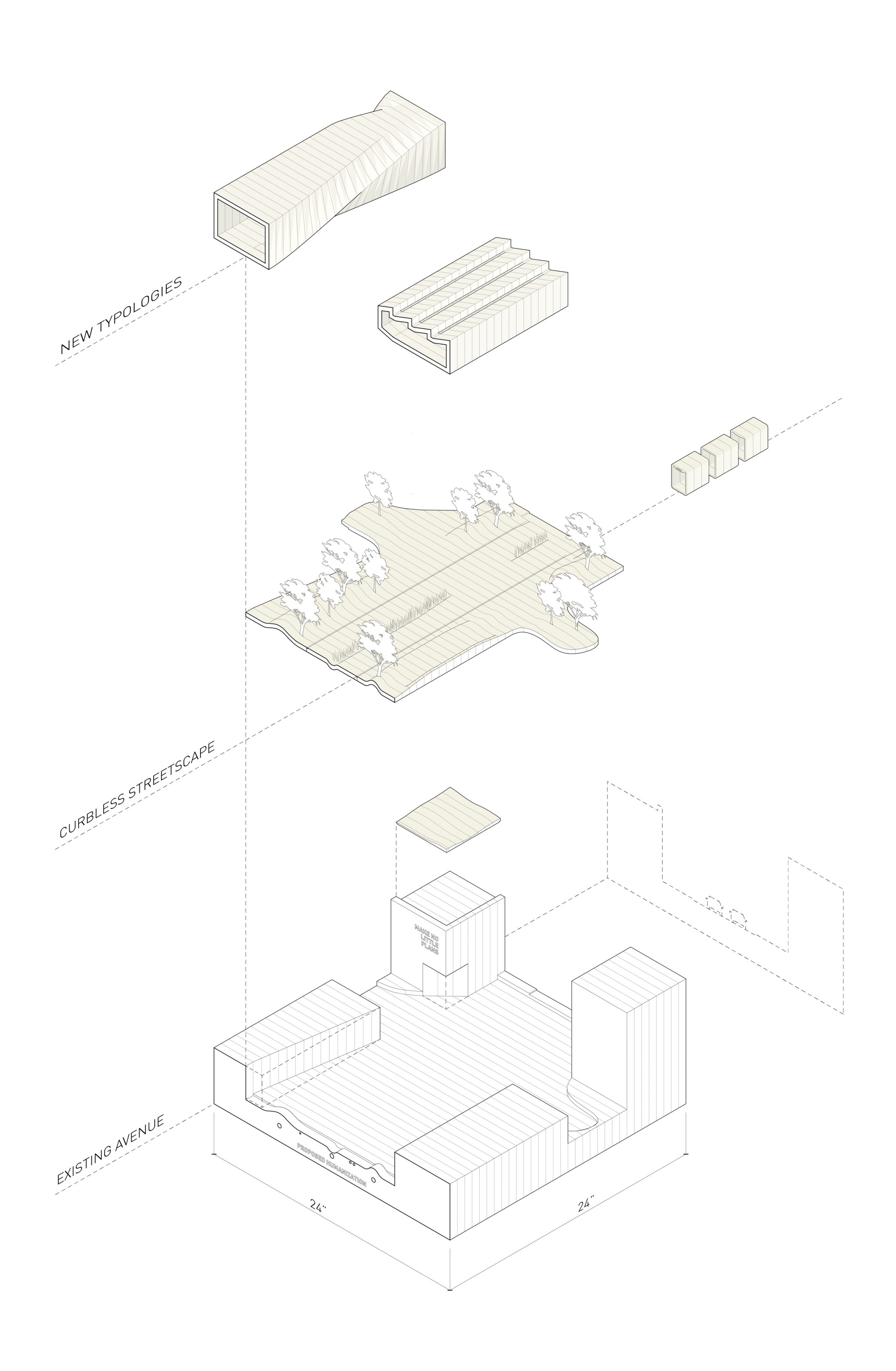
Model Diagram
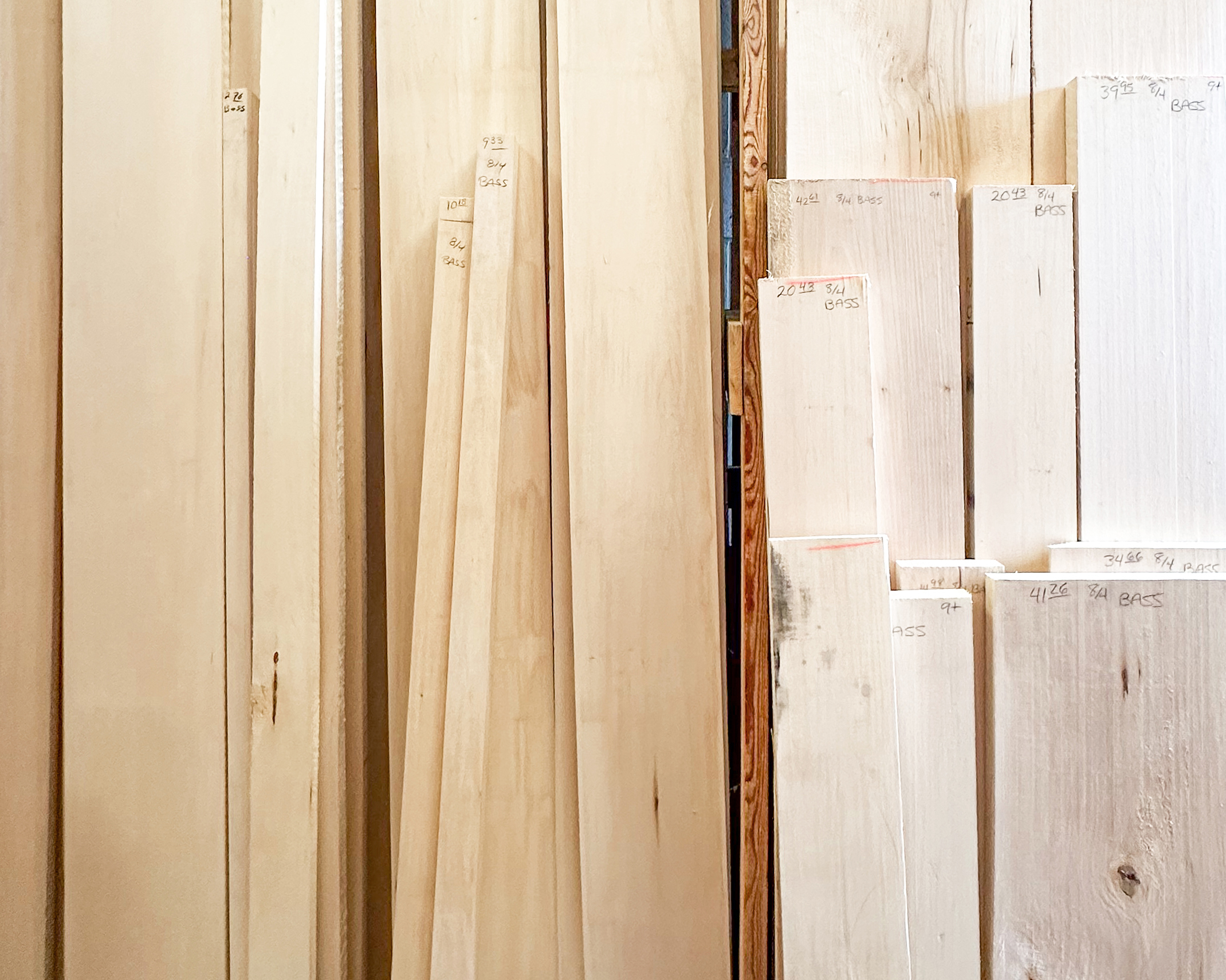
Material Sourcing
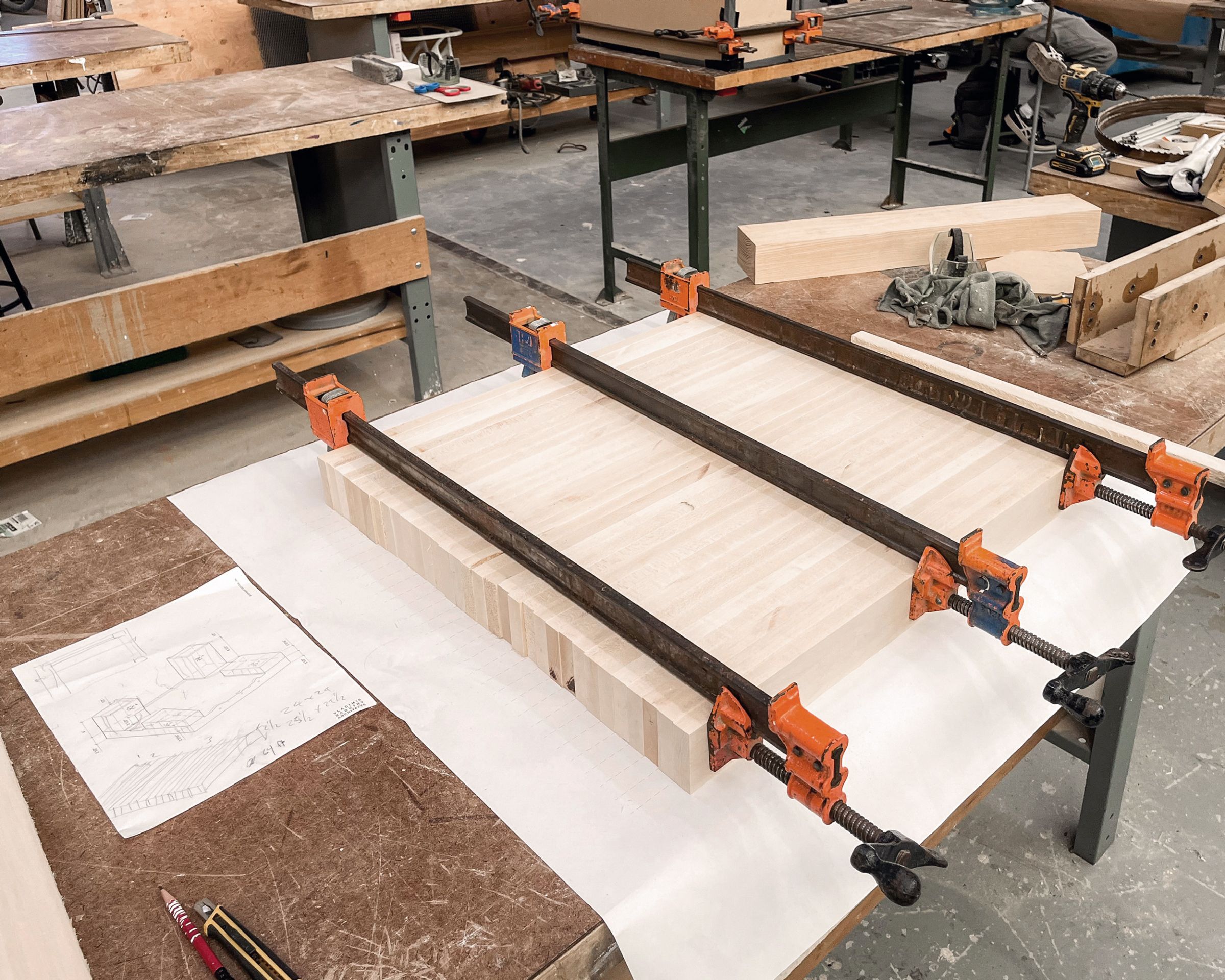
Fabrication
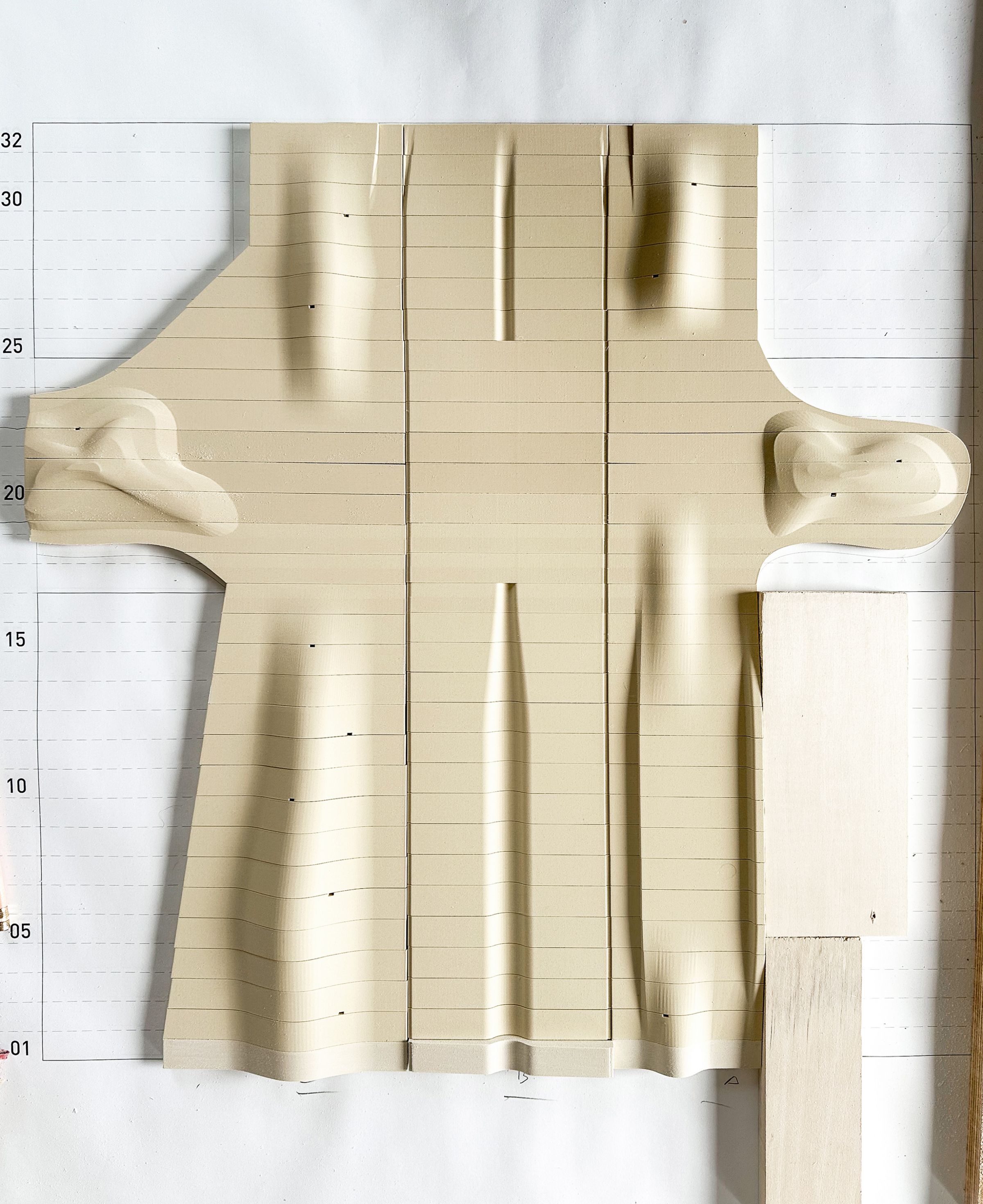
CNC Milling
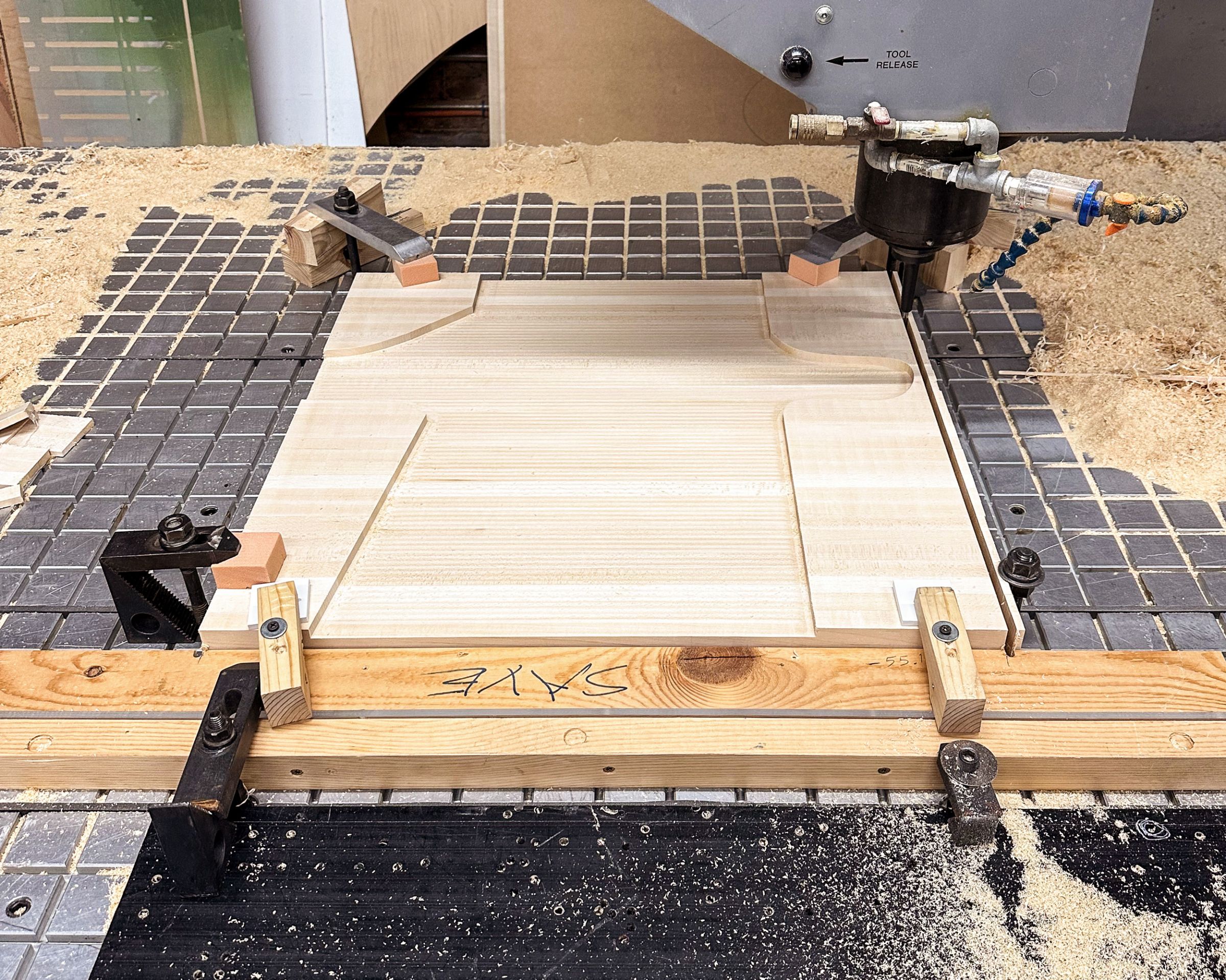
CNC Milling
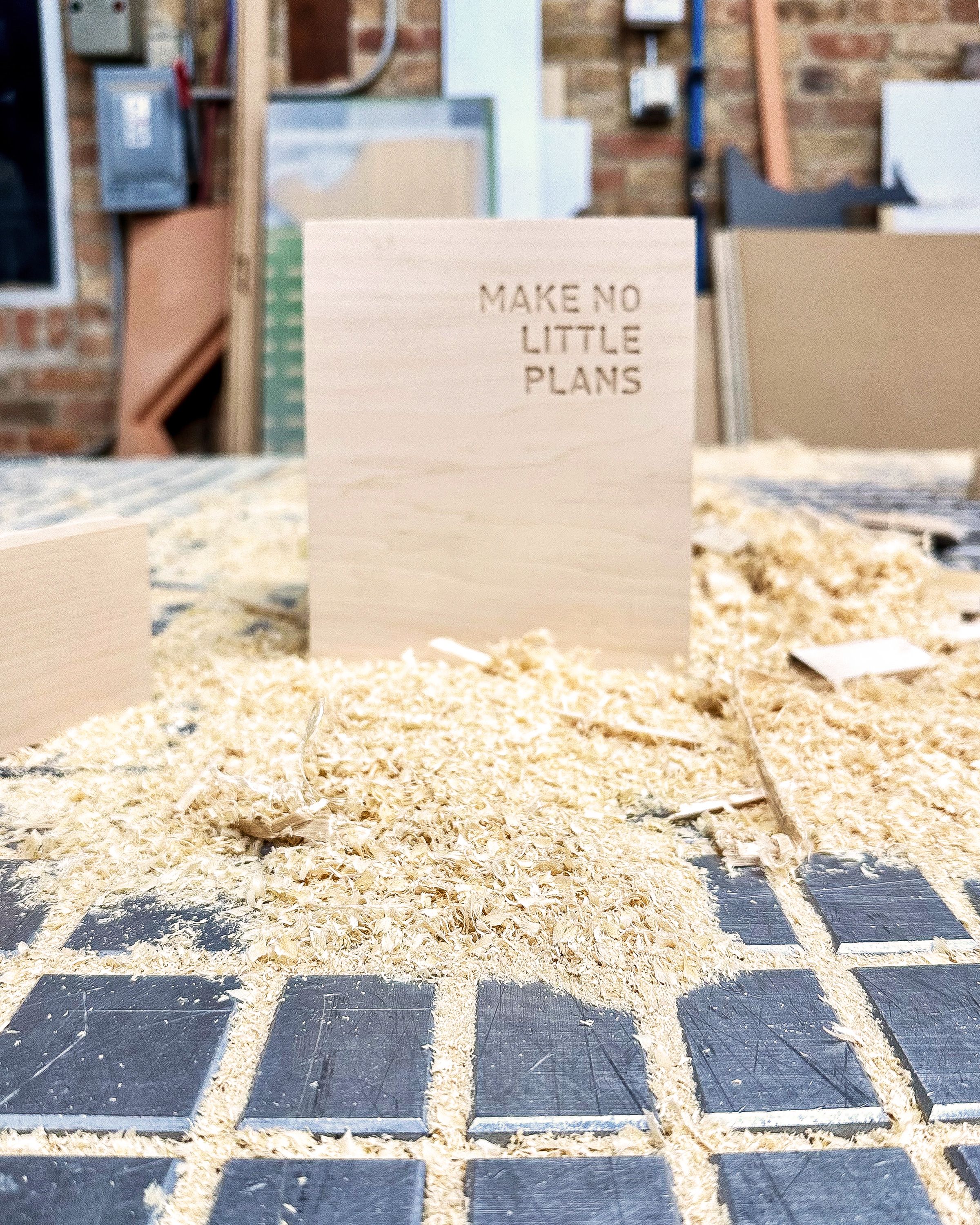
Parts Diagram
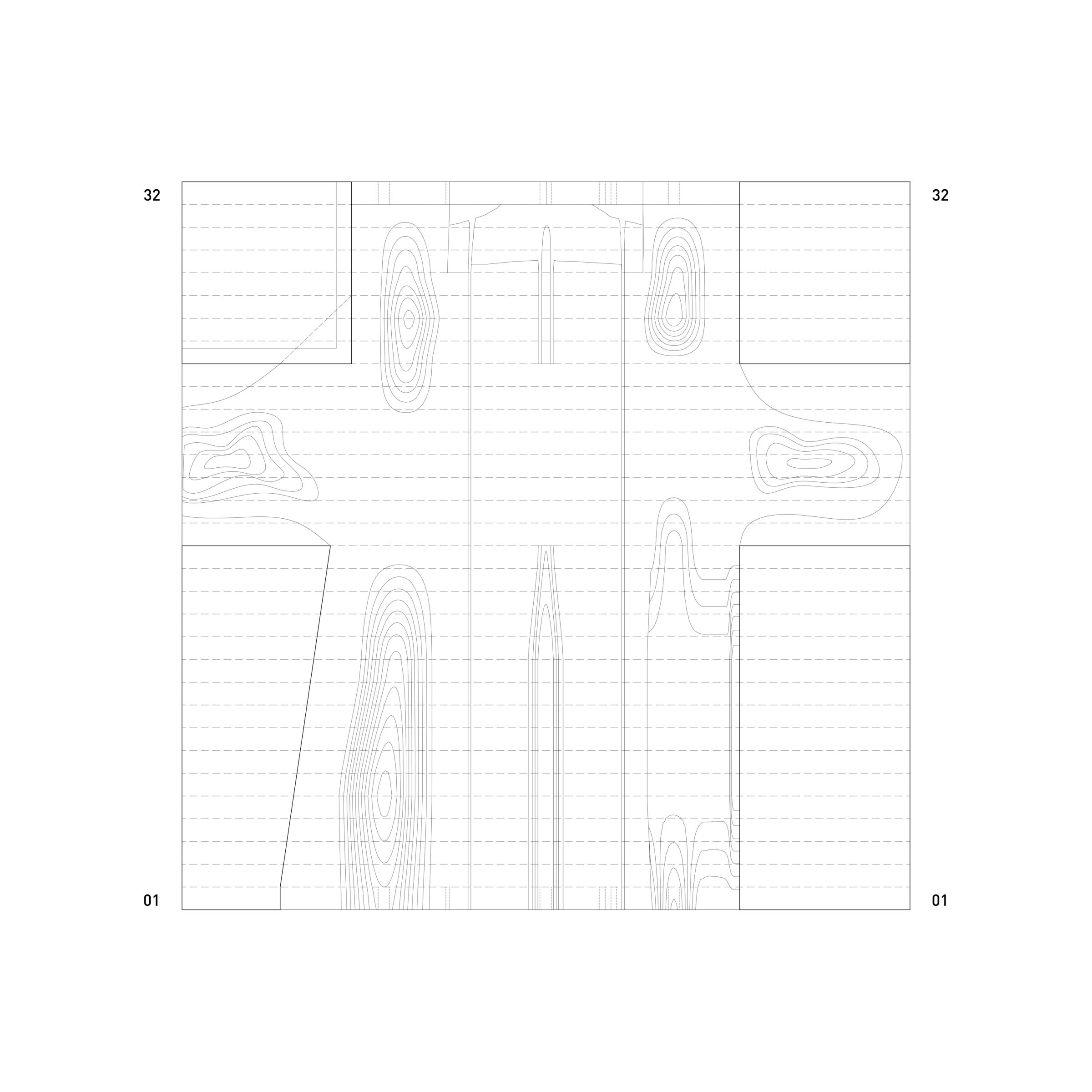
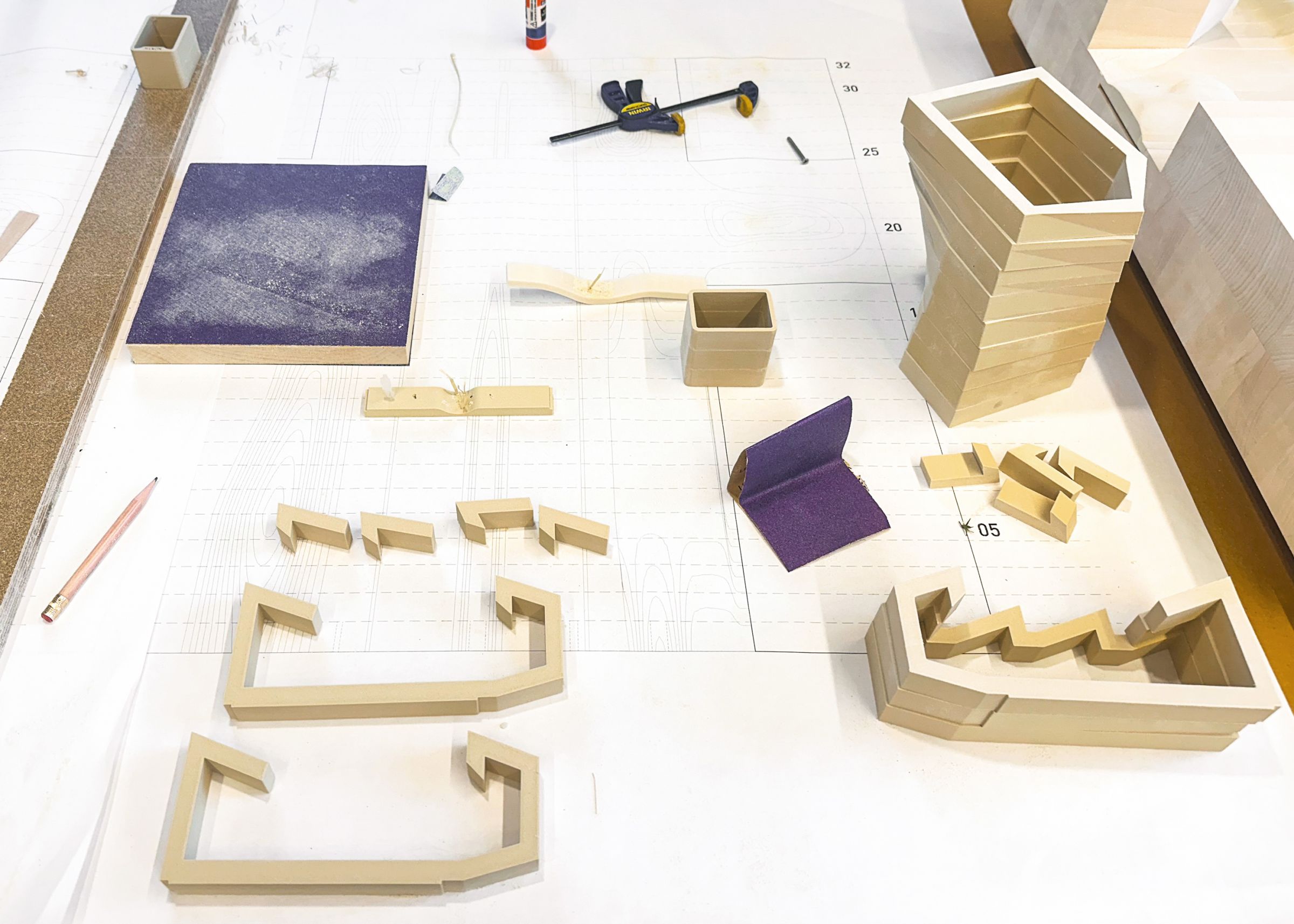
3d Printed Parts
Assembly
Sanding
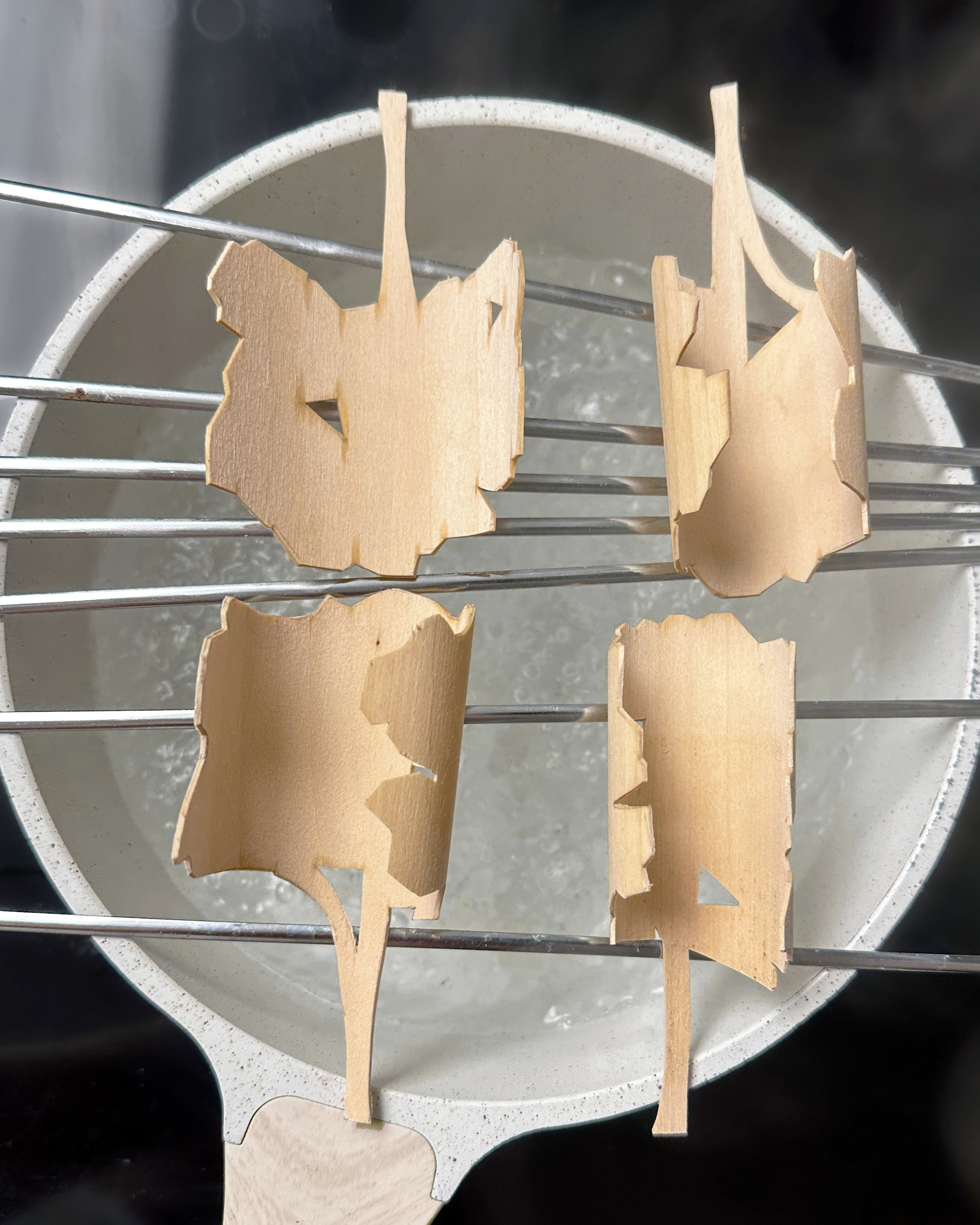
Tree Bending
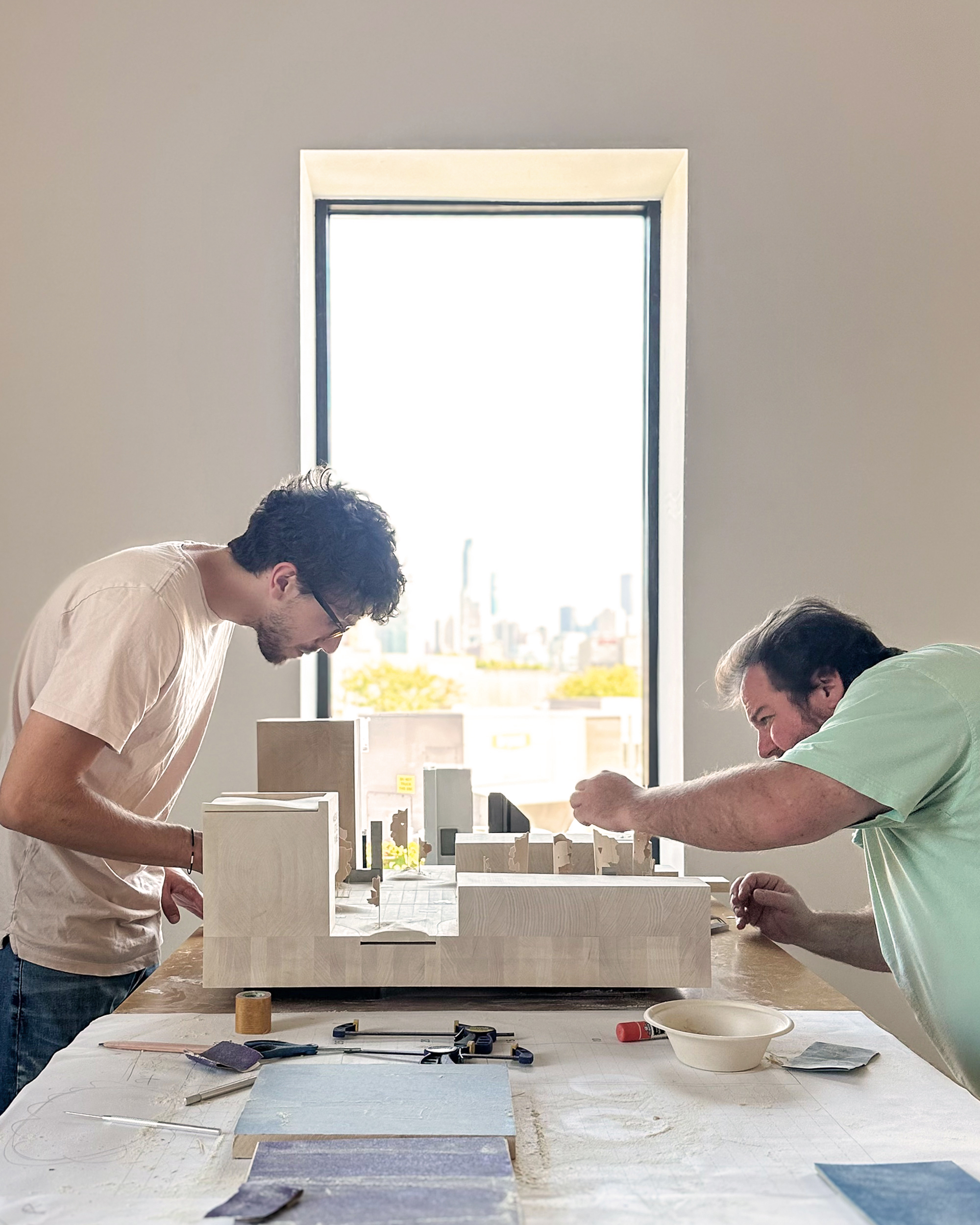
Final Touches
Final Model
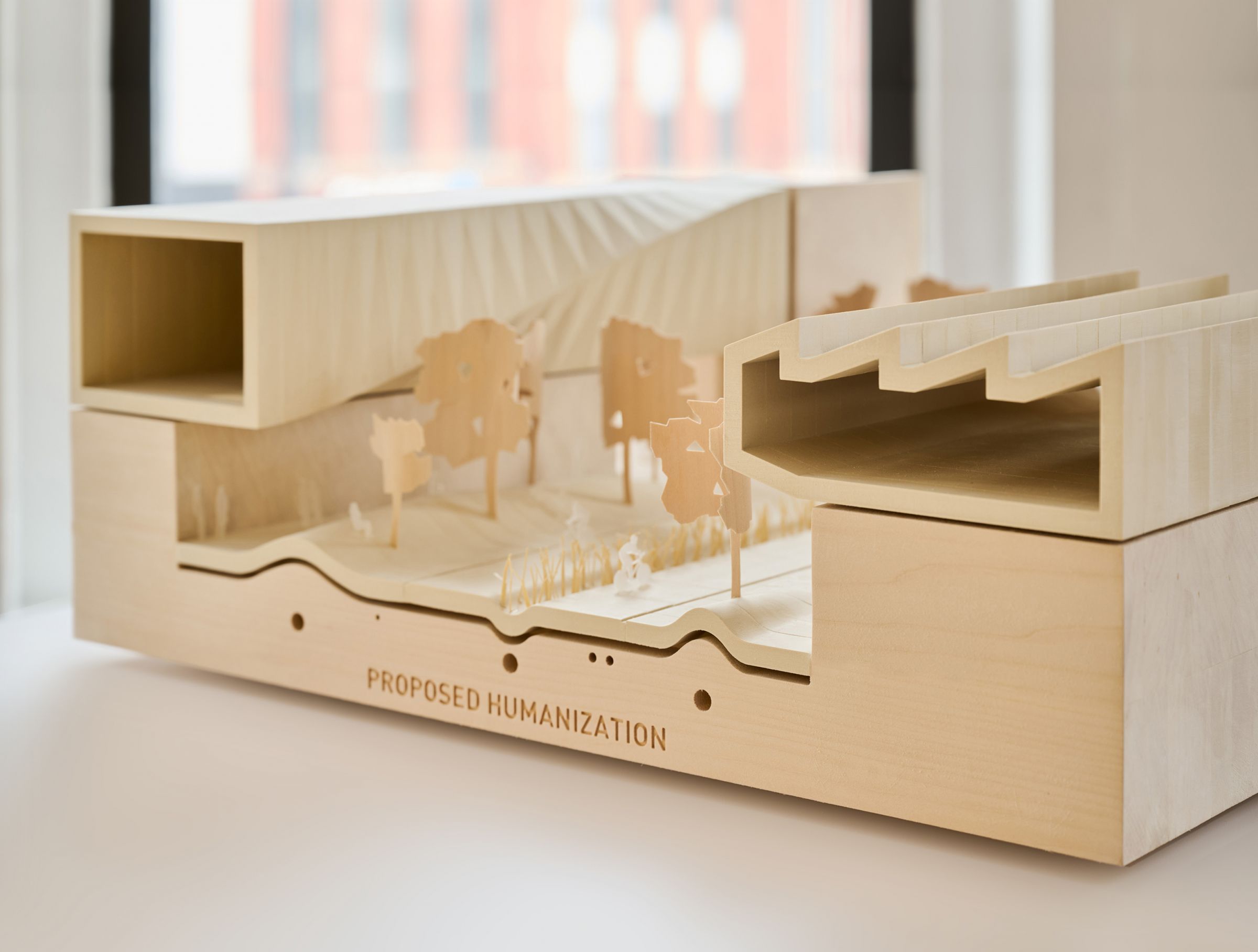
Final Model
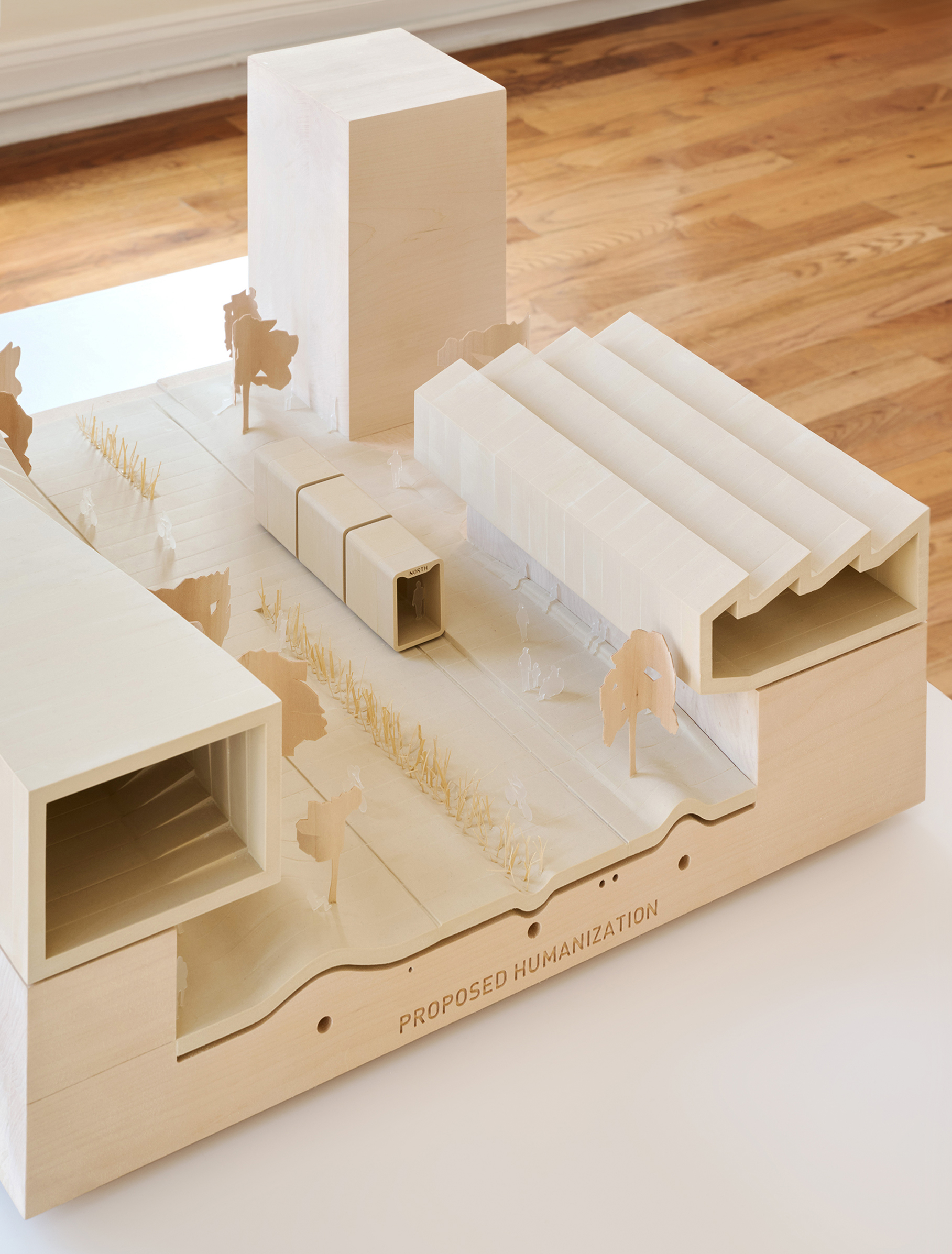
Model Detail
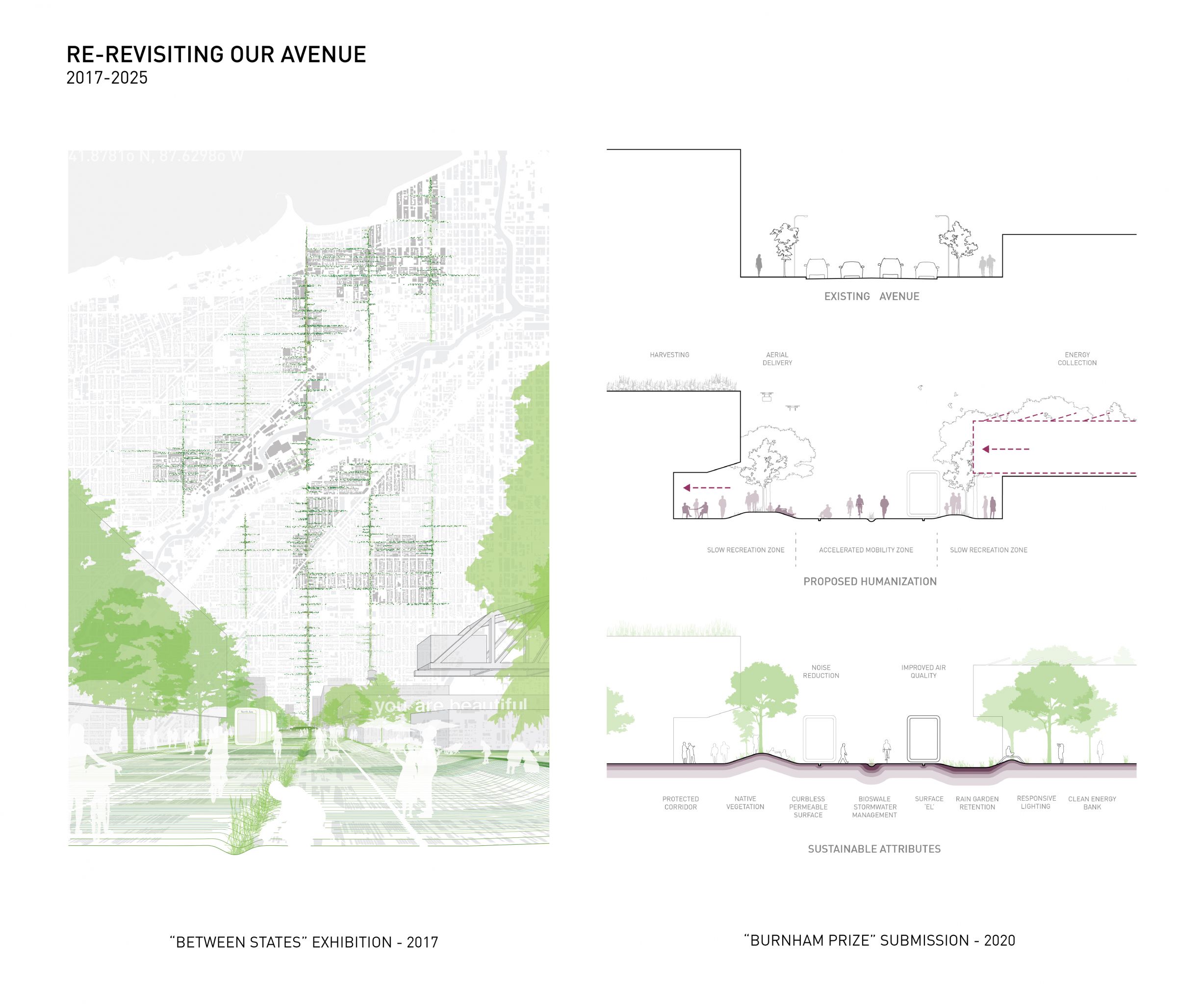
Re-Revisiting Our Avenue continues a speculative question we first posed in 2017 as part of the Chicago Architecture Foundation’s Between States exhibition: What if the avenue streetscape were transformed from a vehicular thoroughfare into a pedestrian-centric urban connection?
Originally presented as a single drawing, the Revisiting Our Avenue concept was further developed in 2020 through a series of drawings for our Burnham Prize submission. For this “Common Chicago” exhibition, these ideas move into physical form: a model capturing a fragment of North Avenue, reimagining it as a pedestrian landscape and exploring its relationship to new architectural interventions.
The avenue is envisioned as a network of pedestrian mobility zones, organized by one’s desired speed of travel. To support this configuration, we propose rewriting current zoning regulations for both new and existing buildings, introducing carved facades and revised setback requirements creating continuous overhead protection for pedestrians throughout the year.
A new transport strategy re-introduces the historic streetcar as a modern “Surface El,” which is integrated within a curb-less streetscape, fully returning the avenue to pedestrians.
This transformation extends beyond mobility: the avenue is ecologically revitalized through native plantings, localized stormwater management, and renewable energy, harvesting to power the corridor and its adjacencies. The result is a dramatic reduction in air and light pollution, noise, and heat-island effect — improving physical and mental health while offering cleaner air and clearer skies.
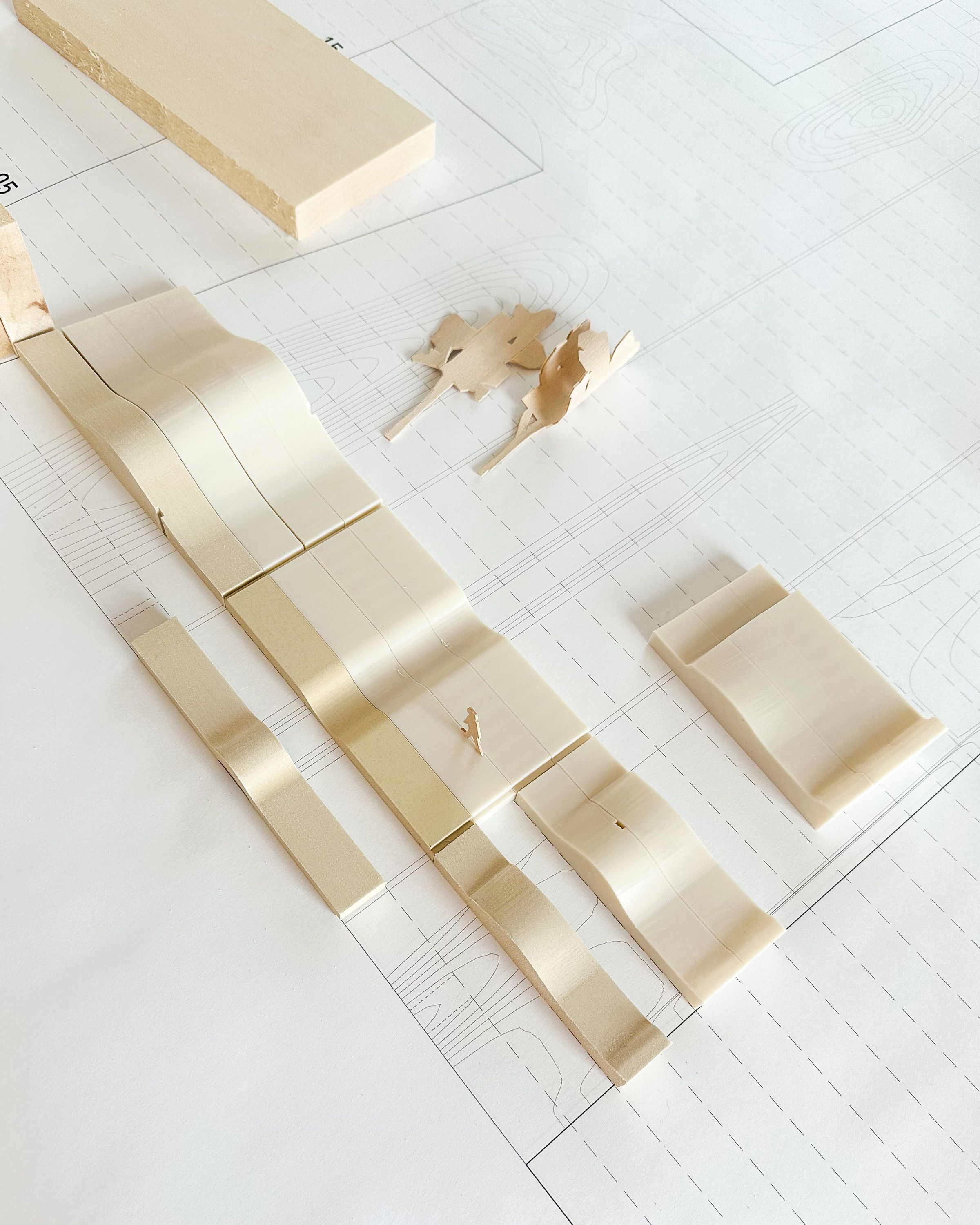
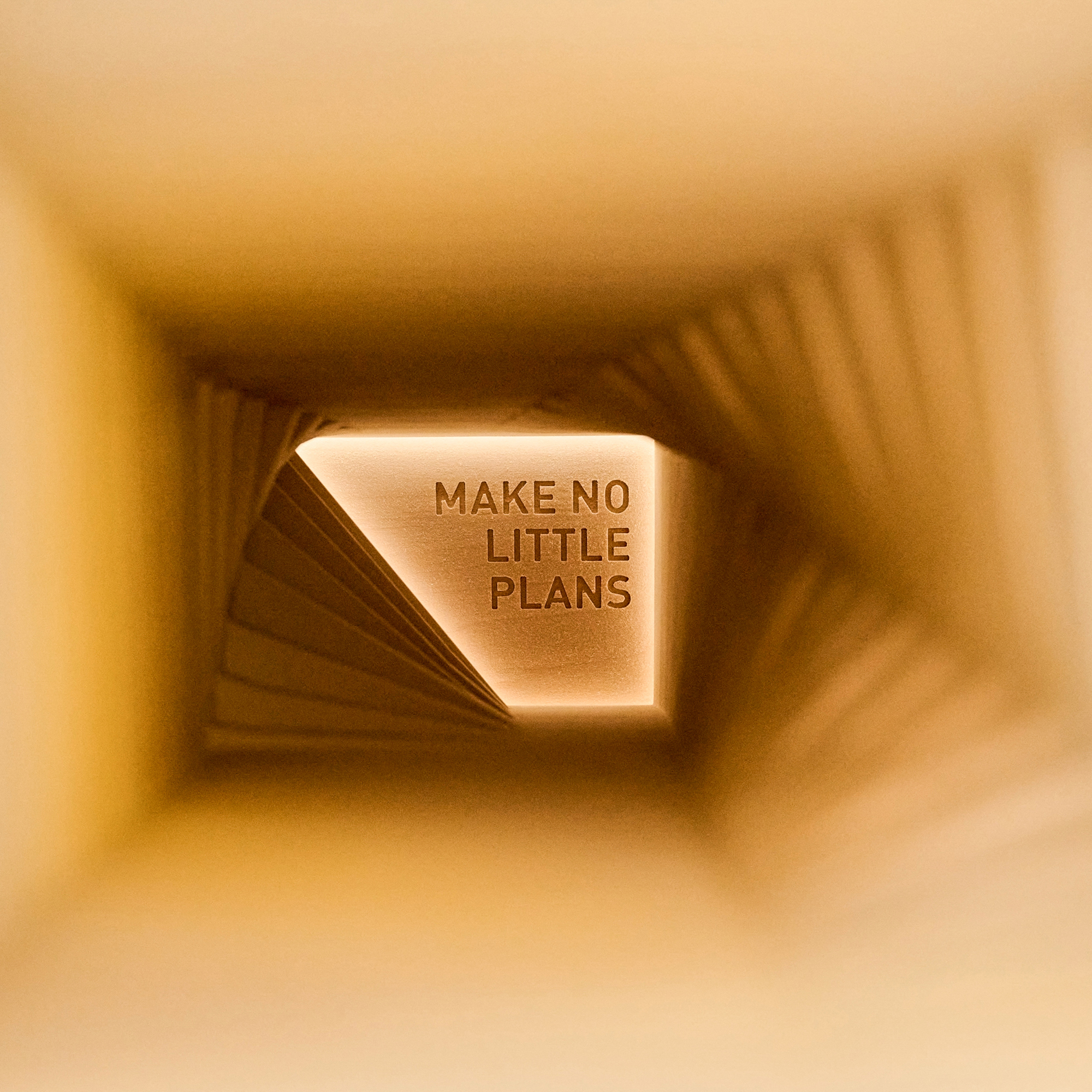
Ultimately, this proposal envisions a humanized streetscape — a pedestrian-centric network that reframes Chicago’s avenues as public realms of movement, ecology, and community, proudly echoing Daniel Burnham’s call to “make no little plans.”